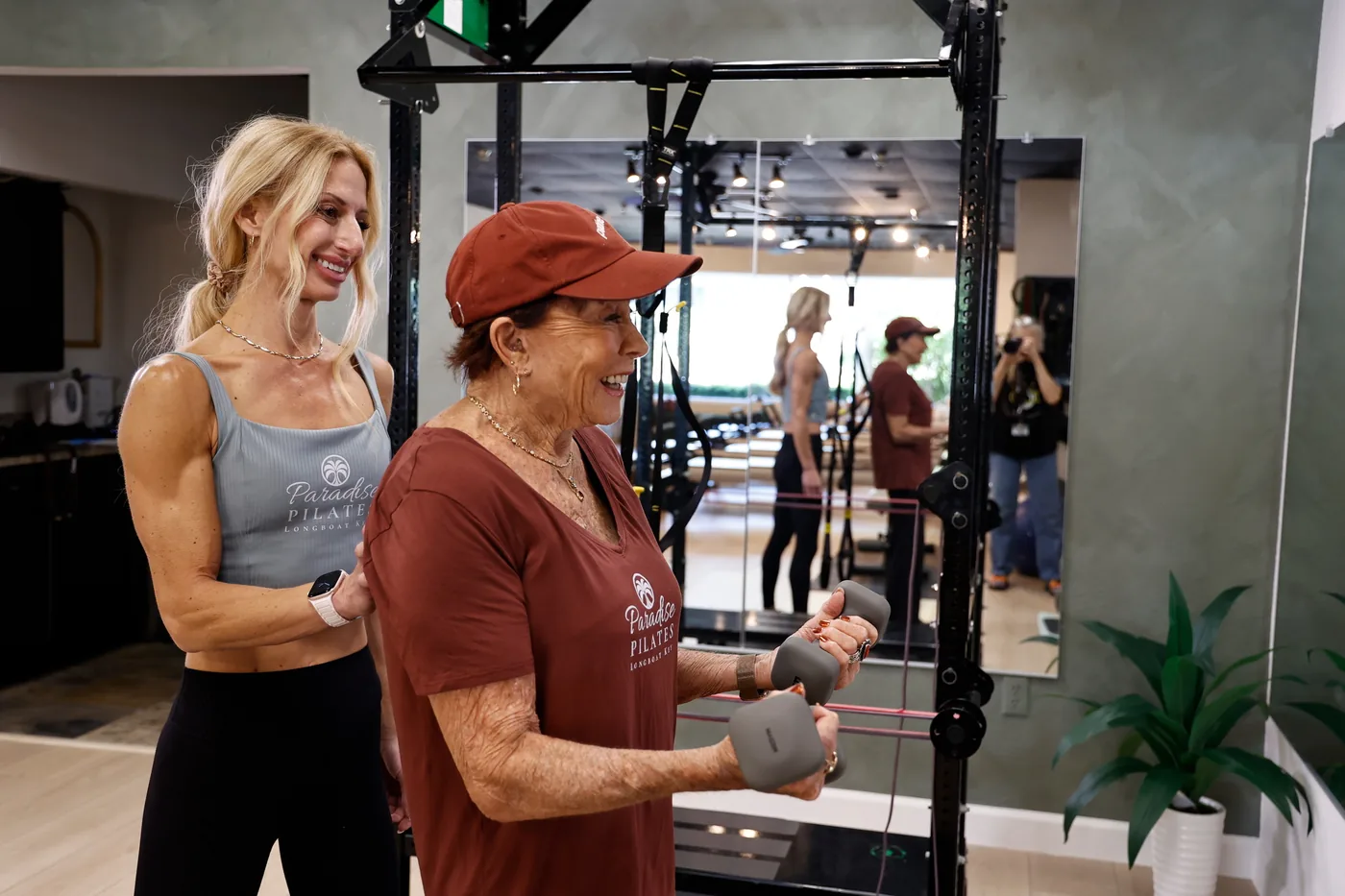
A common mistake in fitness is assuming that progress only comes from going harder. For many people, especially as they get older or return to exercise after time away, that approach can backfire. It can create soreness, frustration, or fatigue that makes it harder to stay consistent. Pilates offers a different path. It keeps muscles working in a focused, sustainable way.
In a Pilates session, the goal is not just to get through the movement. The goal is to feel the right muscles doing the work. That kind of attention matters. When the glutes, hips, back, abdominals, and postural muscles are engaged with control, the body learns how to support itself better during the rest of the day.
This is especially helpful for people who feel like certain areas have become weak or inactive over time. Long periods of sitting, old movement patterns, or previous injuries can leave some muscles doing too much and others doing too little. Pilates helps bring balance back into the system. It asks smaller support muscles to wake up again, while teaching the body how to share the workload more efficiently.
Another benefit is that Pilates builds endurance as well as strength. Muscles do not just need to turn on for a single effort. They need to stay available throughout the day. The kind of controlled repetition used in Pilates can improve that staying power. Over time, clients often notice they can stand longer, walk farther, and move through daily tasks with less heaviness or fatigue.
Working this way does not mean the sessions are easy. It means the effort is purposeful. Challenging the body is important, but so is respecting it. Pilates can be adjusted for different energy levels, mobility limitations, and experience levels, which makes it a smart option for people who want to get stronger without feeling beat up afterward.
In the long run, the most effective movement practice is the one that helps you keep showing up. If a session leaves you feeling worked, supported, and more connected to your body, that is a strong foundation. Keeping muscles active does not require extremes. It requires consistent, well-guided work that builds capacity little by little.